Recognizing the Signs of Pain and Illness in Dogs
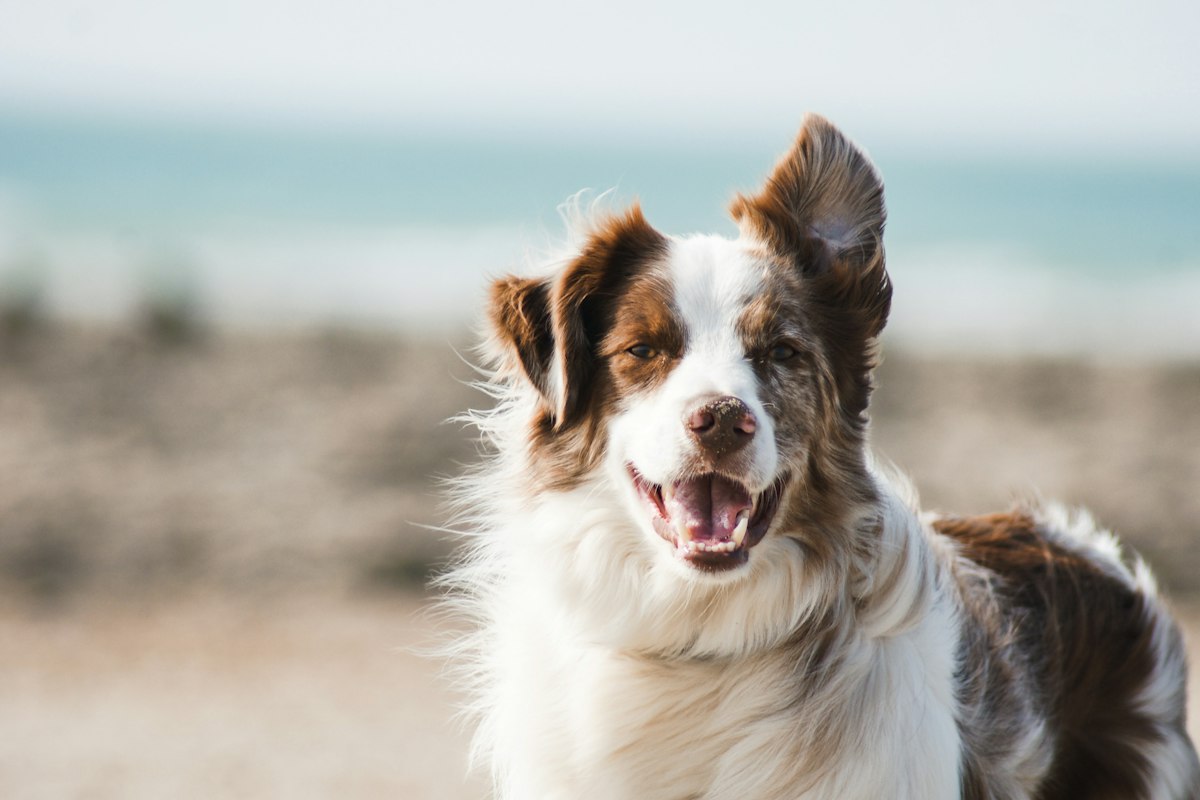
Dogs are wonderful companions, but they are also remarkably good at hiding when something is wrong. This ability is not stubbornness or bravery in the way we sometimes imagine. It is an instinct inherited from their ancestors, for whom showing weakness could mean becoming a target. A dog in pain will often carry on wagging, greeting you at the door, and trying to please, even when their body is telling a very different story. That is exactly why the people who love and care for dogs need to become gentle detectives, learning to read the small signals that a dog cannot put into words.
This guide is written for ordinary dog owners, fosters, and carers. You do not need any medical training to use it. What you need is attention, patience, and a willingness to trust your instincts when something feels off. You know your dog better than anyone. When you notice a change in how they move, eat, rest, or behave, that observation is genuinely valuable, and it can be the difference between catching a problem early and missing it until it becomes serious. Throughout this article we will look at the many ways dogs communicate discomfort, which signs mean you can watch and wait, and which mean you should reach for the phone straight away.
A note before we begin: this article is educational and is not a substitute for veterinary care. If you are ever worried about your dog, the safest choice is always to contact your veterinarian. Vets would far rather reassure you over a false alarm than have you wait too long with a dog who needed help.
Why Dogs Hide Pain
Understanding why dogs mask discomfort helps explain why so many of the signs are subtle. In the wild, an animal that limped, whimpered, or lagged behind was more vulnerable to predators and more likely to lose status within the group. Domestic dogs still carry these instincts. Add to this the fact that dogs live very much in the present moment, and you have an animal that will often push through discomfort simply to keep doing the things it loves, like walks, meals, and time with you.
Because of this, pain in dogs rarely looks like the dramatic, obvious suffering we might expect. It tends to show up as small shifts in behavior and routine. A dog will not tell you their hip aches, but they might hesitate at the bottom of the stairs. They will not say their mouth hurts, but they might start chewing on one side or dropping bits of food. Learning to notice these quiet changes is the heart of good, attentive care.
Behavioral Changes To Watch For
Very often, the first sign that something is wrong is not physical at all. It is a change in personality or routine. A dog who is normally sociable might begin to withdraw, seeking out quiet corners and spending more time alone. A dog who usually loves a fuss might flinch, move away, or even growl when touched in a certain spot, which is one of the clearest ways a dog can tell you that an area hurts. This is not the dog being bad. It is the dog protecting a sore body.
Watch for the opposite pattern too. Some dogs become unusually clingy when they feel unwell, following you from room to room and seeking constant reassurance. Others become irritable or snappy in a way that is out of character, particularly gentle dogs who suddenly seem to have a short fuse. Restlessness is another important clue. A dog who cannot settle, who paces, repeatedly changes position, or gets up and lies down again and again, is often uncomfortable. Pacing at night, panting when the house is calm and cool, or an inability to find a comfortable sleeping position all deserve your attention.
Changes in normal habits matter as well. Perhaps your dog has stopped greeting you at the door, lost interest in a favorite toy, or no longer wants to play the games they used to love. Maybe a house-trained dog has started having accidents indoors, or a dog who slept soundly is now waking frequently. None of these on its own is proof of illness, but each is a thread worth following. When you notice several changes together, or one change that persists, it is time to look more closely and consider a call to your vet.
Reading Your Dog's Body Language
Dogs speak volumes through posture, facial expression, and small physical habits. A comfortable, healthy dog usually holds themselves in a loose, relaxed way. A dog in pain often looks tense or hunched. You might notice a tucked or arched back, a lowered head, a tail carried unusually low or tightly clamped, or a general stiffness in how they hold their body. Some dogs adopt what is often called a praying position, with their chest and front legs down on the floor and their hindquarters raised, which can signal abdominal pain.
The face tells its own story. Look at the eyes. Pain can show as squinting, a glazed or distant look, dilated pupils, or eyes that seem dull rather than bright and engaged. The ears may be held back or flat against the head. Excessive licking or drooling can point to nausea or mouth discomfort, while a dog who repeatedly licks or nibbles one particular spot on their body is often telling you that area is sore. Trembling or shaking that is not explained by cold or excitement can also accompany pain or fever.
Panting is one of the most misunderstood signals. It is completely normal for a dog to pant after exercise, on a warm day, or when excited. But heavy panting when a dog is at rest, in a cool room, and calm, can be a sign of pain, stress, or an underlying medical problem, and it should not be brushed aside. Pay attention to context. The same behavior can be perfectly ordinary in one situation and a genuine warning in another.
Changes In Appetite And Thirst
What goes into your dog, and how eagerly, is one of the most reliable windows into their health. A sudden loss of appetite is always worth taking seriously, especially in a dog who is normally enthusiastic about food. Many illnesses, from minor tummy upsets to serious conditions, first show themselves as a dog turning away from the bowl. If your dog refuses food for more than about a day, or refuses both food and water, contact your vet. Puppies, small breeds, and dogs with existing health conditions can go downhill faster and should be seen sooner rather than later.
The way a dog eats can be as telling as whether they eat. A dog who approaches the bowl hungry but then eats slowly, drops food, chews on only one side, or backs away as if eating hurts, may have dental pain or a problem in the mouth or throat. A dog who eats normally but then vomits, or who seems bloated and uncomfortable afterward, needs attention too.
Thirst is equally important, and changes in drinking are easy to miss because water bowls are refilled without much thought. Try to keep a rough sense of how much your dog normally drinks. A noticeable, lasting increase in thirst can be an early sign of several significant conditions, including kidney disease, diabetes, and hormonal disorders such as Cushing's disease, and it often shows up alongside more frequent urination. On the other hand, a dog who suddenly stops drinking, or who is drinking far less than usual, can become dehydrated quickly, which is also a concern. A simple way to check hydration is to gently lift the skin at the back of the neck. In a well-hydrated dog it springs back quickly. If it is slow to settle, that can be a sign of dehydration and a reason to seek advice.
Mobility And Movement Problems
Changes in how a dog moves are among the most recognizable signs of pain, though they are often mistaken for the dog simply slowing down or getting older. Limping, favoring one leg, or an obvious change in gait clearly points to discomfort somewhere in the limbs, joints, or paws. But many mobility problems are far more subtle than a limp.
Watch for stiffness, particularly when your dog first gets up after resting. A dog who struggles to rise, who is slow and careful getting to their feet, or who seems to loosen up only after moving around for a while, is often dealing with joint pain such as arthritis. Reluctance to jump onto the sofa or into the car, hesitation at stairs, or slowing down and tiring more quickly on walks are all common clues. Some dogs will sit or lie down in an unusual, lopsided way to keep weight off a sore joint.
Pay attention to the small refusals. A dog who used to bound up the stairs and now takes them one careful step at a time, or who waits at the bottom hoping to be carried, is telling you something. So is a dog who no longer wants to go as far on walks or who lags behind when they used to lead. These changes creep in gradually, which is exactly why they are so easy to write off as normal aging. Aging itself is not painful, but the conditions that often come with age frequently are, and many of them can be managed well once they are recognized. If your dog's movement has changed, it is worth a conversation with your vet rather than something to simply accept.
Breathing Changes That Matter
Breathing deserves its own attention because changes here can range from minor to genuinely life-threatening. Get to know your dog's normal breathing when they are relaxed or asleep. You can even count the breaths, watching the chest rise and fall, to build a sense of what is usual for them. This gives you a baseline to compare against if you ever feel something is off.
Signs that breathing has become a problem include rapid or labored breathing at rest, visible effort to breathe, exaggerated movement of the chest or belly with each breath, or a dog standing with their elbows pushed out and neck stretched forward as they try to get more air. A blue, gray, or purple tinge to the gums or tongue is an emergency and means the dog is not getting enough oxygen. Persistent coughing, wheezing, or a honking sound also warrant veterinary attention, and coughing combined with tiredness or exercise intolerance can be linked to heart or lung conditions.
Because breathing problems can worsen quickly, this is an area where it is always better to err on the side of caution. If your dog is struggling to breathe, keep them calm and cool, avoid any stress or exertion, and contact your vet or an emergency clinic immediately.
Common Silent Illnesses
Some of the most serious canine illnesses are dangerous precisely because they develop quietly, with signs that are easy to overlook until the condition is advanced. Knowing what these look like helps you catch them earlier.
Dental disease is extremely common and often goes unnoticed for years, so we will return to it in its own section below. Kidney disease frequently develops slowly, and by the time obvious signs appear, a great deal of function may already be affected. Early clues can include increased thirst and urination, gradual weight loss, reduced appetite, and a general dullness. Diabetes also tends to show up as increased thirst and urination, often with weight loss despite a good appetite. Cushing's disease, a hormonal disorder, can cause increased thirst, a pot-bellied appearance, thinning coat, and increased hunger.
Heart disease can be quiet in its early stages, then reveal itself through coughing, tiring easily, reluctance to exercise, and faster or more labored breathing. Cancer, sadly not uncommon in dogs, can appear in countless ways depending on where it is, but warning signs to know include new lumps or bumps, especially those that grow or change, sores that will not heal, unexplained weight loss, lasting lethargy, and any bleeding or discharge that has no clear cause. Even upset stomachs deserve a mention. Occasional mild vomiting or loose stools may pass on their own, but repeated vomiting, diarrhea that lasts more than a day or two, blood in either, or these signs combined with lethargy and refusal to eat, all call for veterinary advice.
The common thread with silent illnesses is that vague, gradual changes, a dog who is simply not quite themselves, are worth taking seriously. You do not need to diagnose anything. You only need to notice that something has shifted and let your vet do the rest.
Dental Pain, The Hidden Ache
Dental problems are one of the most common sources of ongoing pain in dogs, and also one of the most overlooked. Because the mouth is hard to see into, and because dogs keep eating even when their teeth and gums hurt, dental disease often goes unnoticed for a long time. Yet a sore mouth can affect a dog's comfort every single day.
Signs to look for include bad breath that is stronger than usual, which is frequently the earliest hint. You might also see red, swollen, or bleeding gums, yellow or brown build-up on the teeth, drooling, or a change in eating habits such as chewing on one side, dropping food, or preferring softer food. Some dogs paw at their mouth or face, rub their face along the floor or furniture, or become sensitive about having their head touched. A broken or discolored tooth can be a source of real pain even if the dog carries on eating.
Regular dental care makes a genuine difference. Brushing your dog's teeth with a toothpaste made for dogs, never human toothpaste, is the gold standard, and many dogs can learn to accept it with patience. Dental chews and appropriate diets can help too, and routine check-ups allow your vet to catch problems and recommend professional cleaning when needed. Owners are often amazed at how much brighter and happier their dog seems after a dental issue is treated, a reminder of how much quiet discomfort had been there all along.
Special Care For Senior Dogs
Older dogs hold a special place in many hearts, and they need us to be especially observant. It is tempting to attribute every change in a senior dog to old age and leave it at that, but this can mean missing treatable problems that are affecting their quality of life. Aging is not a disease, and a slower or stiffer older dog is often a dog who is uncomfortable, not simply elderly.
Senior dogs are more prone to arthritis and joint pain, dental disease, and the silent illnesses described earlier, including kidney disease, heart disease, and cancer. They can also experience changes in their senses, such as failing eyesight or hearing, which may show up as bumping into things, being startled easily, or seeming confused in familiar places. Some older dogs develop canine cognitive dysfunction, a little like dementia in people, which can cause disorientation, altered sleep patterns, pacing at night, staring into space, or accidents in a previously house-trained dog.
The kindest approach with an older dog is more frequent, gentle observation and more regular veterinary check-ups, often twice a year rather than once. Many of the conditions that come with age can be managed effectively, with pain relief, adjusted exercise, softer bedding, ramps to avoid jumping, dietary changes, and other simple measures that can add both comfort and happy years to a dog's life. Growing old should not mean living in pain, and there is usually a great deal we can do to help.
When It Is An Emergency Versus When To Monitor At Home
One of the hardest judgments for any dog owner is deciding whether a situation calls for an immediate trip to the vet or whether it is reasonable to watch and wait. While no list can replace professional advice, some signs are clear emergencies and mean you should contact your veterinarian or an emergency clinic right away, day or night.
Seek urgent help if your dog has difficulty breathing, gums that are pale, white, blue, or bright red, or collapses, faints, or cannot stand. Treat as emergencies any suspected bloat, which often looks like a swollen, hard abdomen with unproductive retching and obvious distress and is most common in large, deep-chested breeds, as well as seizures, especially if prolonged or repeated. Uncontrolled bleeding, a suspected broken bone, or major trauma such as being hit by a car all need immediate care, even if the dog seems stable, because internal injuries are not always visible. Known or suspected poisoning, including eating toxic foods such as chocolate, grapes, raisins, or xylitol, or swallowing medications or chemicals, is an emergency where minutes matter. Repeated vomiting or diarrhea, particularly with blood, straining to urinate or being unable to pass urine, a very distended abdomen, extreme lethargy or unresponsiveness, or signs of severe pain such as crying out, all warrant urgent attention. In hot weather, signs of heatstroke, including frantic panting, drooling, weakness, and collapse, require immediate cooling and emergency care.
Other situations can usually be monitored carefully at home for a short time, provided your dog is otherwise bright, alert, eating, and drinking. A single episode of vomiting or a mild, brief bout of diarrhea in an otherwise well dog, slight stiffness after an unusually long walk, or a small, temporary dip in appetite may settle on their own. The key is to keep a close eye and set yourself a clear limit. If the problem worsens, if new signs appear, or if it has not improved within about twenty-four hours, contact your vet. Certain dogs always deserve a lower threshold for seeking help, including very young puppies, elderly dogs, pregnant dogs, and any dog with an existing medical condition, because they can deteriorate more quickly. When in doubt, call. A phone conversation costs you nothing and can bring real peace of mind, and veterinary teams are always happy to help you decide.
Keeping A Symptom Log
When something seems off with your dog, one of the most useful things you can do is start writing it down. Memory is unreliable, especially when we are worried, and vague impressions are hard for a vet to work with. A simple symptom log turns your observations into clear, useful information that can speed up diagnosis and help your dog get the right care sooner.
You do not need anything fancy. A notebook or a notes app on your phone works perfectly. Record what you noticed and when it started, how often it happens, and whether it is getting better, worse, or staying the same. Note the details around each event, such as what your dog had eaten, how active they had been, and the time of day. Track appetite and thirst, how much they are eating and drinking compared with normal. Keep an eye on toileting, including the frequency, appearance, and any straining, and note vomiting or diarrhea along with what it looked like. If your dog is limping or stiff, record which leg, when it is worst, and whether rest or movement helps.
Photographs and short videos are especially valuable. A limp, a strange movement, a cough, or a seizure often will not happen in the consulting room, and a clip on your phone lets your vet see exactly what you have been describing. If your dog has a lump, a photo taken beside a ruler or coin helps track whether it is changing over time. This kind of record does more than assist your vet. It also helps you see patterns you might otherwise miss and gives you a clearer sense of whether things are truly improving or quietly getting worse.
Preparing For A Vet Visit
A little preparation can make a veterinary appointment far more useful and much less stressful for both you and your dog. Before you go, gather your symptom log, any photos or videos, and a list of the questions and concerns you want to raise, so nothing important gets forgotten in the moment. Be ready to tell the vet when the problem started, how it has changed, and what you have already tried at home. It helps to know your dog's current food, any medications or supplements they take, and, if you can, a rough sense of their normal eating, drinking, and toileting habits.
Think about the practical side too. If your dog is anxious about the vet, bringing familiar treats, a favorite toy, or a blanket that smells of home can help them feel safer. For a dog who is in pain, handle them gently and, if there is any risk they might snap because they are hurting, mention this to the staff so everyone can keep both your dog and themselves safe. It is completely normal for a frightened or sore dog to behave differently, and the veterinary team will understand.
During the appointment, do not be shy about asking questions. If you do not understand a term or a recommendation, ask for it to be explained again. Good questions include what the possible causes are, what tests are being suggested and why, what the treatment involves, what it might cost, and what warning signs should prompt you to come back sooner. You are your dog's advocate, and the more clearly you and your vet communicate, the better the care your dog will receive. Writing down the key points before you leave means you will remember the plan once you are home.
Trusting Yourself And Caring With Confidence
If there is one message to carry away from all of this, it is to trust what you notice. You do not need to be an expert to be a wonderful, watchful carer. The people who catch problems early are almost never the ones with medical training. They are simply the ones who pay attention, who know their dog's normal, and who act when something changes. Learning the signs in this guide is not about becoming anxious or seeing illness everywhere. It is about being quietly confident, so that you can relax and enjoy your dog while knowing you will spot it if they ever need help.
Dogs give us their whole hearts, and they rely on us completely to notice when they are struggling. By tuning in to their behavior, body language, appetite, movement, and breathing, by keeping a simple record when something seems wrong, and by knowing when to watch and when to act, you become the advocate every dog deserves. That attentiveness is one of the greatest gifts you can give the animal who trusts you most.
At Every Life Rescue, we see every day how much difference an attentive, loving carer makes to an animal's life. So many of the dogs who come through rescue have simply needed someone to notice them, to see their pain and to help. If this guide has been useful to you, please consider supporting rescue work in whatever way you can, whether by fostering, adopting, volunteering, donating, or simply sharing what you have learned with other dog lovers. Every act of care helps us reach one more animal in need, and together we can make sure that more dogs know what it feels like to be truly seen and looked after. Thank you for caring, and thank you for being the kind of person a dog can count on.