How to Safely Approach and Rescue a Frightened Animal
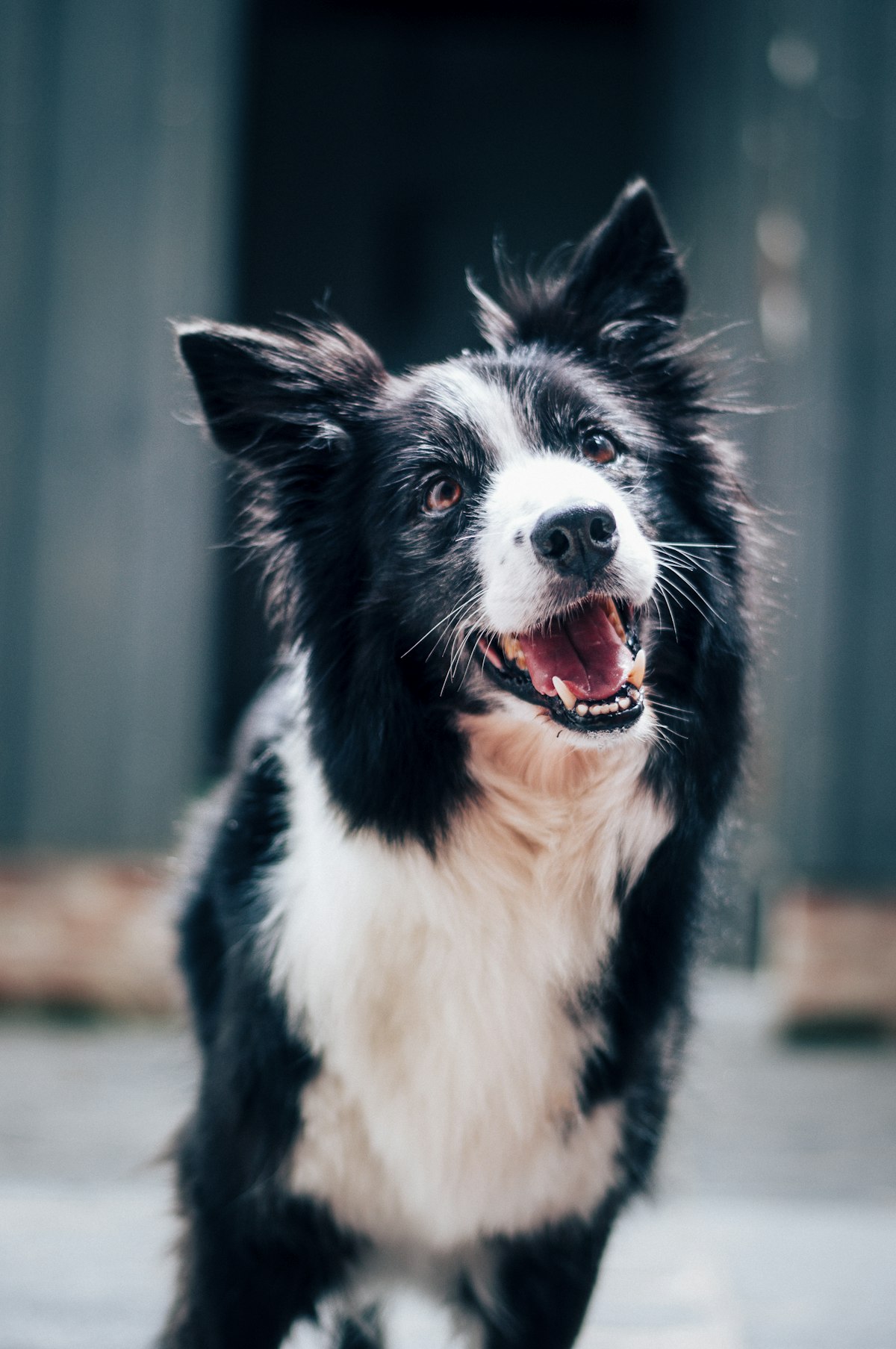
There is a particular kind of heartbreak in seeing an animal in trouble. A dog trembling at the edge of a busy road. A cat pressed flat beneath a parked car. A bird that cannot lift itself from the grass. Our instinct is to rush in, scoop them up, and make everything better. That instinct comes from a good place, but acting on it too quickly is one of the most common ways well-meaning people get hurt and, sadly, one of the most common ways a frightened animal slips away or becomes harder to help.
A scared animal does not know you are there to save it. In that moment, you are simply large, fast, and unpredictable, three things a terrified creature reads as danger. The good news is that with a little knowledge and a great deal of patience, most of us can help far more safely and successfully than we might expect. This guide walks through how to read what an animal is telling you, how to keep yourself safe, how to close the distance calmly, and how to know when the kindest thing you can do is step back and call for professional help.
Read the Body Language: Fear Versus Aggression
Before you take a single step toward an animal, spend a moment simply watching. Body language is the clearest information you will get, and it often changes second by second. The single most important thing to understand is that fear and aggression are not opposites. A frightened animal can bite, scratch, and lunge, not because it is mean, but because it feels cornered and out of options. Most defensive aggression is fear wearing a louder mask.
Signs of fear tend to make an animal look smaller and lower. Watch for a tucked tail, a lowered or crouched body, ears pinned back or flattened, a head held low, and weight shifted backward as if ready to flee. You may see trembling, rapid panting, drooling, or a dog that yawns and repeatedly licks its lips when there is no food around. Cats show fear by crouching tight, flattening their ears sideways, dilating their pupils into wide black circles, and sometimes puffing up their fur to look bigger. Many frightened animals will also freeze completely, holding utterly still in the hope that stillness makes them invisible. A freeze is not calm. It is often the quiet moment right before an animal bolts or snaps.
Signs that an animal is moving from fear toward defensive aggression are worth memorizing, because they are your cue to stop. In dogs, watch for a hard, direct stare, a stiff and motionless body, lifted lips that show teeth, a low growl, a wrinkled muzzle, or a tail held high and rigid rather than tucked. Some dogs give a warning snap at the air that deliberately misses. That is not a failed bite. It is a clear request for space, and you should honor it. In cats, listen for growling, hissing, and spitting, and watch for a lashing or thumping tail, a swatting paw, and a body that rotates to keep claws and teeth facing you. These are all ways of saying the same thing: please do not come closer.
The reason this matters so much is that fear and aggression call for the same response from you. Whether an animal is terrified or warning you off, the correct move is to slow down, give space, and lower the pressure. You never need to guess an animal's motives. You only need to read the volume of its distress and respond by turning that volume down.
Keep Yourself Safe First
This may feel backward when your heart is telling you the animal comes first, but you cannot help anyone if you are injured. A calm rescuer is an effective rescuer, and staying safe is part of staying calm.
Start with your surroundings. A huge number of animal rescues happen near roads, and traffic is often a far greater danger than the animal itself. Before you focus on the animal, look at where you both are. If there is moving traffic, your first job is to make the situation safe, not to grab the animal and risk both of you darting into the road. If you can safely signal to drivers, turn on hazard lights, or ask another person to help slow traffic, do that first. Never chase a frightened animal toward or across a road. A panicked animal that is chased almost always runs away from the chaser, and that direction may be straight into danger.
Protect your body sensibly. If you have gloves, a thick jacket, or even a folded towel, use them as a barrier between the animal's mouth and your skin. Approach from the side rather than head on, and keep your face away from the animal's face. Bites to the hands and forearms heal; bites to the face are serious. Be especially mindful around the mouth of any animal in pain, because pain lowers the threshold for biting dramatically. Even the gentlest family pet may bite when it is hurting and frightened.
Finally, know the health realities. Any bite or deep scratch can become infected and should be seen by a medical professional, and in many places a bite from a wild or unknown animal raises the question of rabies and other illnesses. This is not a reason to be fearful of every animal, but it is a reason to be careful, to wash any wound promptly, and to seek medical advice if you are bitten. Wild animals in particular should never be handled with bare hands.
The Calm Approach: Slow, Low, and Sideways
Once the area is as safe as it can be and you have read the animal's signals, you can begin to close the distance, if the animal's body language allows it. The whole philosophy here is to make yourself as small, slow, and unthreatening as possible.
Move slowly and avoid straight lines. Predators approach in a direct line, so a curving, wandering approach reads as far less threatening. Turn your body slightly to the side rather than squaring your shoulders at the animal, and avoid looming over it. Crouching down lowers your height and makes you less intimidating, though you should never crouch so low or so close that you cannot get up and step away quickly if you need to.
Soften everything about yourself. Keep your voice low, slow, and gentle. The exact words do not matter, so say whatever feels natural in a soothing tone. Avoid direct, staring eye contact, which many animals read as a threat or a challenge. Instead, glance softly, blink slowly, and let your gaze drift to the side. With cats especially, a slow blink can read as a small gesture of peace. Keep your hands low and quiet rather than reaching out over the animal's head, since a hand descending from above is exactly what a paw or a hawk does before it strikes.
Above all, let the animal come to you whenever possible. This is the single most powerful technique in this entire guide. If you can sit or crouch quietly a comfortable distance away and simply wait, you shift the choice to the animal. An animal that chooses to approach you is far calmer, far safer, and far less likely to bolt than one that feels trapped and grabbed. Patience is not passive. It is the active work of letting a frightened creature decide, on its own timeline, that you are not a threat.
Using Food and Patience
Food is the great bridge between fear and trust, and patience is what lets you cross it. For a hungry, frightened animal, a bit of food can quiet the alarm bells long enough for curiosity and appetite to take over.
Offer something small and appealing, and offer it in a way that does not require the animal to come dangerously close all at once. Toss a few pieces a short distance away rather than holding food out in your hand at first. This lets the animal eat while keeping the distance that feels safe, and each piece you toss can land a little closer to you than the last. Strong smelling foods tend to work best. Many rescuers have success with plain cooked chicken, a bit of tinned meaty pet food, or similar aromatic morsels. Avoid foods that are toxic to animals, such as chocolate, onions, grapes, and anything heavily seasoned, and remember that a trail of food should always lead the animal toward safety, never toward a road.
Then comes the hardest part, which is to do almost nothing. Frightened animals often need far more time than we expect. A truly terrified stray may take many visits over many days before it will eat in your presence, let alone allow a hand near it. If you have the luxury of time, feeding at the same place and the same hour each day builds a routine that a wary animal learns to trust. During the wait, resist the urge to reach out the moment the animal starts eating. Let it eat, let it leave, and let it learn that nothing bad happens when you are near. Trust built slowly holds. Trust forced quickly shatters.
Containing and Securing the Animal
At some point, helping an animal usually means getting it safely contained so it can be moved and, if needed, seen by a veterinarian. This is the moment when a calm situation can suddenly become tense, so plan it before you attempt it.
Have your container ready and open before the animal is within reach. A carrier, a crate, or even a sturdy box with air holes works well, and it should be lined with a towel and placed so its opening is easy to guide the animal toward. Whenever possible, encourage an animal into a carrier rather than picking it up and pushing it in, since chasing an animal into a small space with your hands is a classic way to get bitten. A trail of food leading into the carrier, or gently guiding the animal into a corner from which the carrier is the only easy exit, is far safer than a grab.
A towel or blanket is one of the most valuable tools you can carry. For a smaller animal, a towel gently but confidently draped over the whole body calms many animals by covering their eyes, and it gives you a protective layer between the animal's teeth and claws and your skin. Once covered, you can gather the animal up as a bundle and lower it into the carrier. Move with calm confidence rather than hesitant grabbing, because a slow, sure motion is less alarming than a series of nervous half attempts. If an animal is struggling violently, thrashing, or screaming, that is a sign to pause and rethink rather than to grip harder. Forcing the issue risks injury to both of you and can worsen an existing injury.
Never restrain an animal by a method that could hurt it or you. Do not grab a cat by the scruff and dangle it, do not pin an animal hard against the ground, and do not wrap anything around an animal's neck. The goal is gentle containment, not capture by force.
Dealing With Injured or Trapped Animals
Injured and trapped animals need special care, because pain and entrapment both magnify fear enormously. An animal that would normally tolerate handling may lash out when it is hurt, and an animal that is stuck feels every bit of the panic that comes with being unable to flee.
With injuries, the guiding principle is to minimize further harm and get professional help quickly. Try not to move an animal more than necessary, especially if you suspect a spinal injury, a broken limb, or a serious wound, and support the body as a whole unit rather than lifting by the legs. For a small animal, sliding a board, a stiff piece of cardboard, or a folded blanket underneath can act as a stretcher. Keep the animal warm, quiet, and in a dark, covered container if possible, since darkness and quiet reduce stress. Do not attempt to give food, water, or any medication to a seriously injured animal, because it may need surgery, and human medications in particular can be deadly to animals. Your role is safe transport to expert care, not treatment.
With trapped animals, resist the urge to yank the animal free. A creature wedged in a fence, tangled in netting, or caught in a drain is often held more tightly than it appears, and pulling can cause terrible injuries. If the animal is calm enough and the situation is simple, you may be able to gently free a limb or cut away netting, always cutting away from the animal's body. But many entrapments, especially those involving wildlife, heavy machinery, water, height, or an animal that is deeply stuck, are genuinely dangerous and call for trained rescuers with the right equipment. There is no shame in recognizing that a situation is beyond what bare hands and good intentions can safely manage.
Cats, Dogs, and Wildlife Are Not the Same
The general principles of calm, space, and patience apply to nearly every animal, but different animals ask for different specifics, and knowing the differences makes you far more effective.
Frightened dogs are often responsive to a calm human presence, and many will eventually approach a person who sits quietly and offers food. Avoid looming, avoid direct staring, and let the dog sniff you before you touch it. When you do touch, aim for the chest or the side rather than reaching over the top of the head, which many dogs find threatening. Be aware that even a friendly lost dog may be so frightened that it behaves unlike its normal self, so read each dog as an individual rather than assuming that a wagging tail means all is well. A wag simply means arousal, not necessarily friendliness.
Frightened cats are a different creature entirely. Cats are both predator and prey, and a scared cat is deeply committed to hiding and to defending itself if cornered. They often wedge themselves into tight, low spaces such as under cars, decks, and sheds. Give a scared cat far more space than you think it needs, work slowly, and rely heavily on the towel technique and on humane traps for cats that will not be handled at all. Cornering a cat by hand is a reliable way to get badly scratched. Patience and a baited trap will succeed where grabbing almost always fails.
Wildlife deserves the most caution and, in most cases, the least handling. Wild animals are not soothed by human voices the way some pets are, and to them we are simply predators. Handling wildlife is stressful enough to be dangerous to the animal on its own, and some species can carry illnesses or deliver serious bites, scratches, kicks, or quills. As a general rule, wildlife is best left to licensed wildlife rehabilitators and animal control professionals. A special word of caution applies to baby wild animals. A fawn resting alone, a nest of baby rabbits, or fledgling birds hopping on the ground are very often not orphaned at all. Their parents are usually nearby and will return once people leave. Well-meaning people accidentally kidnap healthy wild babies every year. When in doubt with any wild animal, the safest and kindest first step is to call an expert before you touch anything.
When to Back Off and Call the Professionals
One of the most important skills in animal rescue is knowing the limits of what you should attempt alone. Backing off is not giving up. It is often the choice that gives the animal its best chance.
Step back and call for professional help when an animal is showing serious defensive aggression that does not ease with space and time, when it is a wild animal beyond a very simple assist, when it is severely injured, when it is trapped in a way that involves roads, water, height, or machinery, or when reaching it would put you in real danger. Also call for help when an animal may be dangerous to the public, such as a loose dog behaving aggressively, and when you simply feel out of your depth. That feeling is wisdom, not weakness.
Know who to call before you need them. Local animal control, municipal animal services, licensed wildlife rehabilitators, the police non emergency line, and animal rescue organizations such as ours all exist precisely for these moments. When you call, share clear information: exactly where the animal is, what kind of animal it seems to be, what it is doing, whether it appears injured, and whether it poses any danger to people or traffic. If you can safely keep the animal in sight from a distance while you wait, that often helps responders enormously, since a frightened animal can vanish quickly. Your calm eyes on the scene are genuinely valuable even when your hands should stay back.
Transporting an Animal Safely
Once an animal is contained, the journey to safety or to a veterinarian is its own small rescue, and a little care here prevents a great deal of stress and danger.
Secure the container so it cannot slide, tip, or open during the drive. A carrier belted onto a seat or wedged securely on the floor is far safer than one held on a lap, and it protects both the animal and the driver. Keep the environment calm and quiet. Lowering your voice, turning down loud music, and covering the carrier with a light towel to dim the interior all help a frightened animal settle. Keep the temperature comfortable, never leave an animal in a hot or cold parked vehicle even for a few minutes, and make sure there is adequate airflow.
Drive smoothly and give yourself extra time. Sudden stops and sharp turns are frightening and can injure an animal that cannot brace itself. Resist the urge to open the carrier to comfort or check on the animal while you are moving or in an open space, since a panicked animal can escape in an instant and a loose animal in a moving car is dangerous for everyone. If you are transporting to a veterinarian or a rescue, calling ahead lets them prepare for your arrival, which means faster help for the animal and less time spent waiting in a stressful lobby. Keep handling to the minimum required, and let the animal ride in the dark, quiet safety of its container until it is in expert hands.
A Final Word, and an Invitation
If you take only one idea from this guide, let it be this: the calmest option is almost always the kindest and the safest. Slow down, read what the animal is telling you, give more space and more time than feels natural, and never be ashamed to call for help. Rescuing a frightened animal is rarely about bravery or speed. It is about patience, gentleness, and good judgment, and those are things almost anyone can offer.
Every animal that finds its way to safety does so through a chain of caring people: the person who first noticed, the one who waited patiently with a handful of food, the driver who slowed the traffic, the professional who arrived with the right equipment, and the volunteers and supporters who keep the whole effort running. At Every Life Rescue, we see that chain complete itself every single day, and we could not do it without a community of people who care.
If this guide has helped you feel more prepared, we invite you to be part of that chain. You can support rescue work by donating, by volunteering your time, by fostering an animal who needs a soft place to heal, by adopting rather than shopping, or simply by sharing what you have learned here with someone else who loves animals. Every act of support, large or small, becomes another frightened animal given the time, the patience, and the safety it needs to find its way home. Thank you for caring enough to learn how to help. Every life truly does matter, and together we can make sure more of them are rescued safely.